Inspection CO/LPG Detection System
Receive a quote tailored to your needs
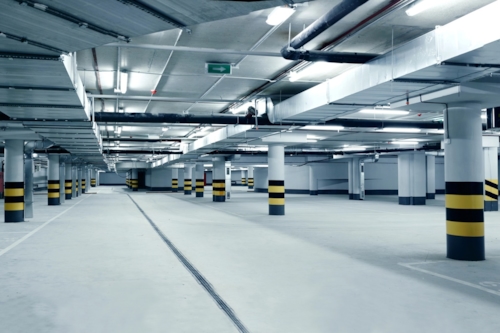
When compartments in motor vehicles parkings and storage garages are larger than 1,000 m2, and therefore do not comply with Bouwbesluit regulations, a CO/LPG detection system according to NEN 2443 is most likely mandatory in most municipalities.
A CO/LPG detection system is first in a series of technical measures to protect occupants and environment. This because it actuates evacuation alarm systems, longitudinal ventilation and impulse ventilation systems, pressurisation systems and external alarm reporting to a (fire brigade and/or private) alarm centre.
Regulations and unambiguous basic assumptions for CO/LPG detection systems and associated system components are largely not available for these protection systems. It is therefore important to have parties involved with sufficient knowledge about these systems. Kiwa Fire Safety & Security (Kiwa FSS) is your expert partner for NEN 2443 CO/LPG detection systems and associated systems.
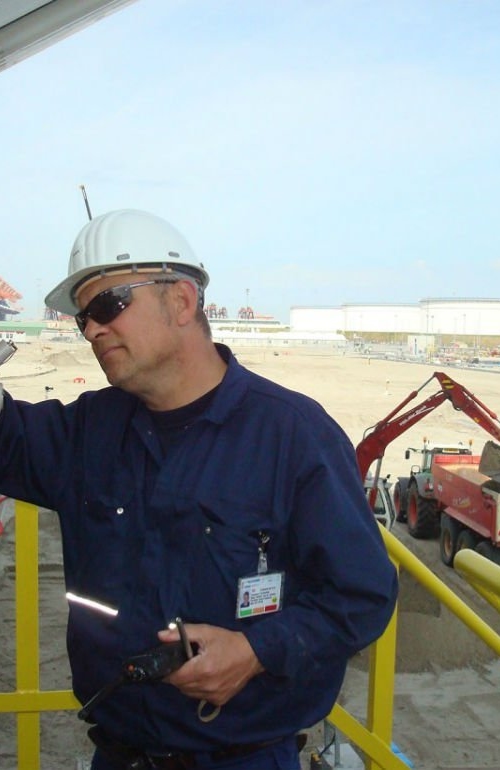
Kiwa FSS reviews the CO/LPG detection system’s basic assumptions and design data to assess its protection objective. We also conduct inspections to determine whether systems installed including their maintenance and management comply with standards and required effectiveness.
Why Kiwa Fire Safety & Security?
Kiwa Fire Safety & Security (Kiwa FSS) is a leading testing, inspection and certification (TIC) company, focusing on products, installations and companies in the field of fire and burglary protection. Kiwa FSS provides services in an expert, flexible, customer-oriented and innovative manner. These services include conducting inspections, certifying (fire) security companies, testing products and providing training from a fully independent, objective and integral position.

Air Permeability Test Reporting
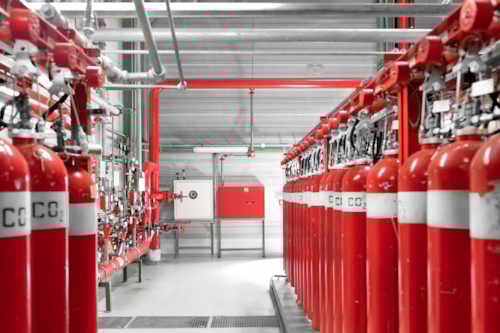
Gaseous fire extinguishing systems are often used as a fire protection system. As a fire safety expert, Kiwa FSS can measure the air permeability of a room and thus determine the effectiveness of the extinguishing system.
Inspection Foam Extinguishing Protection - Foam Extinguishing System
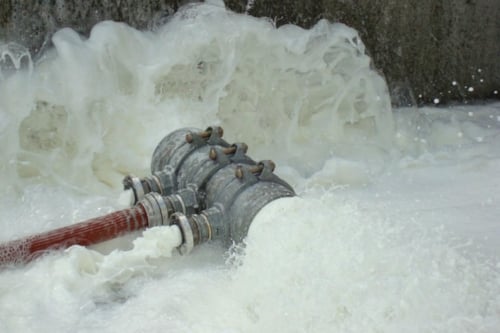
As an experienced partner in fire safety, Kiwa Fire Safety & Security (Kiwa FSS) applies a comprehensive approach to all relevant aspects of your foam extinguishing protection during a Foam Extinguishing System Inspection.
Inspection PGS 15 Publicatie reeks Gevaarlijke Stoffen (Publication Series on Hazardous Substances)
Guideline 15 from the Publication Series on Hazardous Substances (PGS) contains guidance for the storage of packaged hazardous goods. Kiwa FSS can assess the fire safety aspects in your storage facility during an inspection PGS 15, including from baseline inspection to PGS 15 certification and follow-up inspection.

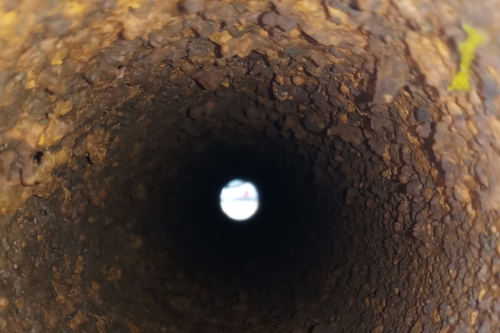
Internal Inspection of Sprinkler System Piping
An automatic sprinkler system must have a reliable pipe system for optimal operation. An internal Inspection of Sprinkler System Piping will give you an insight into the current condition of your sprinkler system.
Inspection Smoke Control Systems (RCS)
Smoke control systems (RBS) must create a smoke-free egress route for the building’s occupants. Because regulations and unambiguous basic assumptions are largely not available, it is important to work with partners with sufficient knowledge. Kiwa is such an expert partner.
Inspection and Certification Water Mist Systems
Kiwa FSS has a lot of experience inspecting and certifying water mist protection systems, based on both the CCV inspection schemes as compliance with standards. Kiwa FSS also conducts random inspections for certification bodies.

Inspection Gaseous Fire Extinguishing System
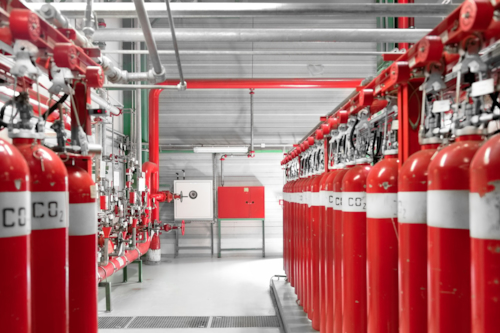
Kiwa FSS inspects gaseous fire extinguishing systems based on the CCV inspection schemes and compliance with standards; prevent fire damage to computer and other equipment! If you want to know more about inspection of an extinguishing gas system, click here.
Kiwa FSS Testing: test lab for sprinklers
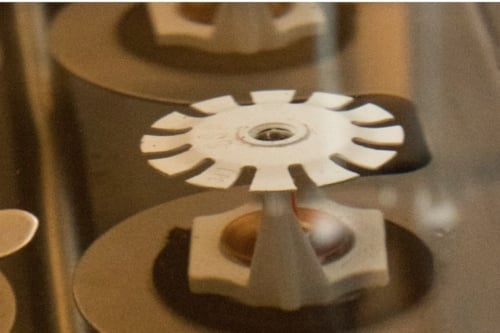
Sprinkler systems have proven to be a reliable fire-protection system for many years. However, many of these systems are showing their age and it is not uncommon to find sprinkler systems that were installed 25 or more years ago. The sprinklers in these systems are dated and will need to be replaced over time as a preventative measure.