
Illuminated Assets: Preparing for PFI Expiry With Accurate Testing and Data Collection

Introduction
With a significant wave of street lighting PFI contracts reaching expiry over the next decade, many local authorities and service providers face a major challenge: ensuring that illuminated assets are safe, compliant and accurately recorded before hand‑back. Structural & electrical testing alongside data collection play a crucial role in building a clear understanding of asset condition and remaining useful life.
Executive Summary
PFI expiry requires the transfer of safe, compliant and accurately documented illuminated assets. Kiwa CMT supports this with UKAS‑accredited structural testing, new periodic electrical testing, GN22‑aligned data collection and nationwide survey capability. Acting early reduces risk, avoids penalties and supports evidence‑based asset management.
Why PFI Expiry Poses a Challenge for Street Lighting
Private Finance Initiative contracts were designed to modernise and maintain street lighting by transferring financial and operational risks to private partners. As these 20–30 year contracts come to an end, the responsibility for compliant assets returns to local authorities.
Many organisations are discovering they lack the accurate, complete and up‑to‑date information required to manage a smooth hand‑back. This can expose them to avoidable risk, cost and reputational pressure.

Why Accurate Inventory Data Matters
In practice, Kiwa CMT regularly identifies:
- Assets recorded in inventories that no longer exist
- Incorrect material types (e.g., steel columns logged as concrete)
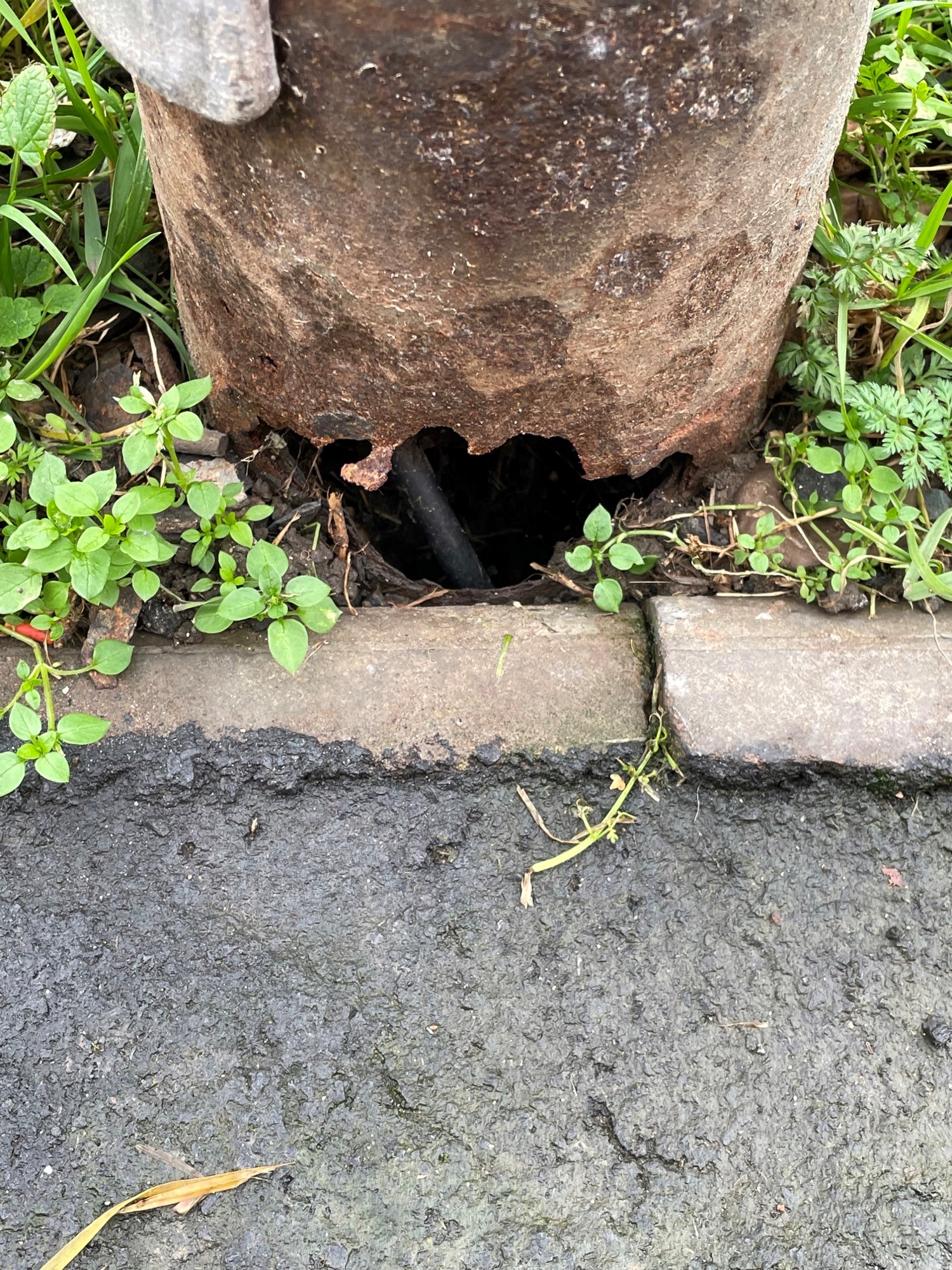
- Non‑conformities that were not visible from ground level
- Missing, outdated or incomplete positional and electrical information
Reliable data forms the foundation of every asset management plan.
The Role of Illuminated Asset Testing
Structural Testing (RLS System)
Periodic Electrical Testing (New for 2026)
Inventory Data Collection and GN22 Compliance
Common Issues Found During Asset Surveys
Drawing on thousands of annual inspections, Kiwa CMT frequently uncovers:
- Missing or duplicated assets in inventories
- Incorrect material profiles affecting contract compliance
- Early‑stage corrosion not visible at the surface
- Electrical defects requiring immediate attention
- Attachments installed without structural verification (e.g., festive decorations, CCTV, banners)
These issues can materially affect hand‑back valuations, liability, and programme planning.
How Kiwa CMT Supports Local Authorities and PFI Providers
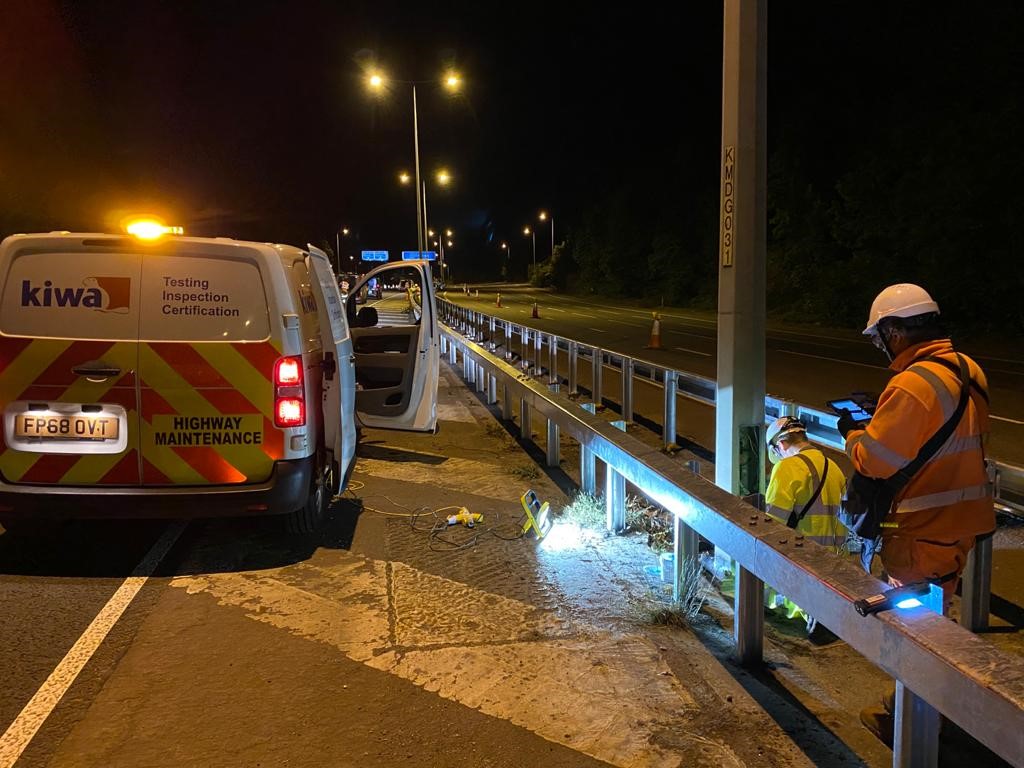
Kiwa CMT delivers a complete, end‑to‑end solution for illuminated asset integrity, including:
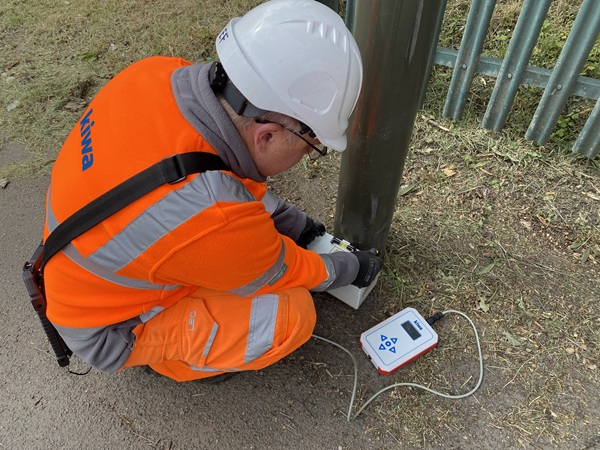
- Non‑destructive structural testing (RLS™)
- Periodic electrical testing
- Inventory validation and GN22 condition surveys
- Assessment of column attachments
- Anchor point testing for catenary wires
- Concrete column condition assessment
With UKAS, HERS, HEA, CHAS and Constructionline accreditations, Kiwa CMT provides nationwide support delivered by experienced, directly employed technicians.
 |
 |
Disclaimer
This article provides general information only and does not constitute legal advice.
Key Takeaways
These key takeaways highlight the biggest opportunities for improving the safety, compliance and efficiency of your illuminated assets.
PFI hand‑back compliance
GN22 condition surveys
UKAS structural testing
Lighting column electrical testing
Risk‑based asset planning
Frequently Asked Questions
What is an illuminated asset?
An illuminated asset includes street lighting columns, illuminated signs and bollards that require structural, electrical and data assessment.
Why is PFI expiry significant for street lighting?
PFI expiry transfers responsibility back to local authorities, requiring assets to be safe, compliant and accurately recorded.
How often should lighting columns be tested?
Testing intervals depend on column condition and GN22 classifications, ranging from 1–5 years.
What does the RLS system detect?
RLS identifies below‑ground and internal corrosion that cannot be seen through visual inspection.
Why is electrical testing required?
Periodic electrical testing is a legal requirement and ensures compliance with BS 7671:2018 and reduces risk of electrical faults.
Can Kiwa CMT provide both structural and electrical testing?
Yes. Kiwa CMT now offers a complete suite including structural, electrical and data capture services.
Let’s Talk About Your Street Lighting Needs
Whether you’re reviewing your PFI strategy or planning your next testing cycle, our team is always happy to chat and share practical guidance.
