
Backsheet Durability Sequence
Why backsheet durability sequence testing matters
Backsheet cracks that allow moisture to enter a PV module can severely impact field performance and safety. Other signs of backsheet aging, such as yellowing and chalking (powder accumulation on the backsheet surface), are potential indications of material degradation.
Kiwa Extel has analyzed multiple sites with backsheet issues. In 2017, they conducted a study on a 10 MW ground mount project in Thailand that was commissioned in 2013 and had portions of the site that were underperforming. Numerous backsheet cracks were noticed around the cell perimeters allowing moisture into the laminate. This further led to corrosion and discoloration. In extreme cases the issue caused ground and arc faults from the cells’ electrical circuit to the racking via a path through the backsheet cracks, resulting in burn marks and broken glass.
Kiwa Extel’s further investigations discovered that one 2 MW section of the array had 5% lower power than the module’s power guarantee. Based on these findings, the module manufacturer supplied replacement modules, but the site owner still had to pay for the labor to replace the modules.
Requiring the Kiwa PVEL PQP’s Backsheet Durability Sequence testing helps to prevent unreliable backsheets from entering the market, thus avoiding backsheet-related failures.
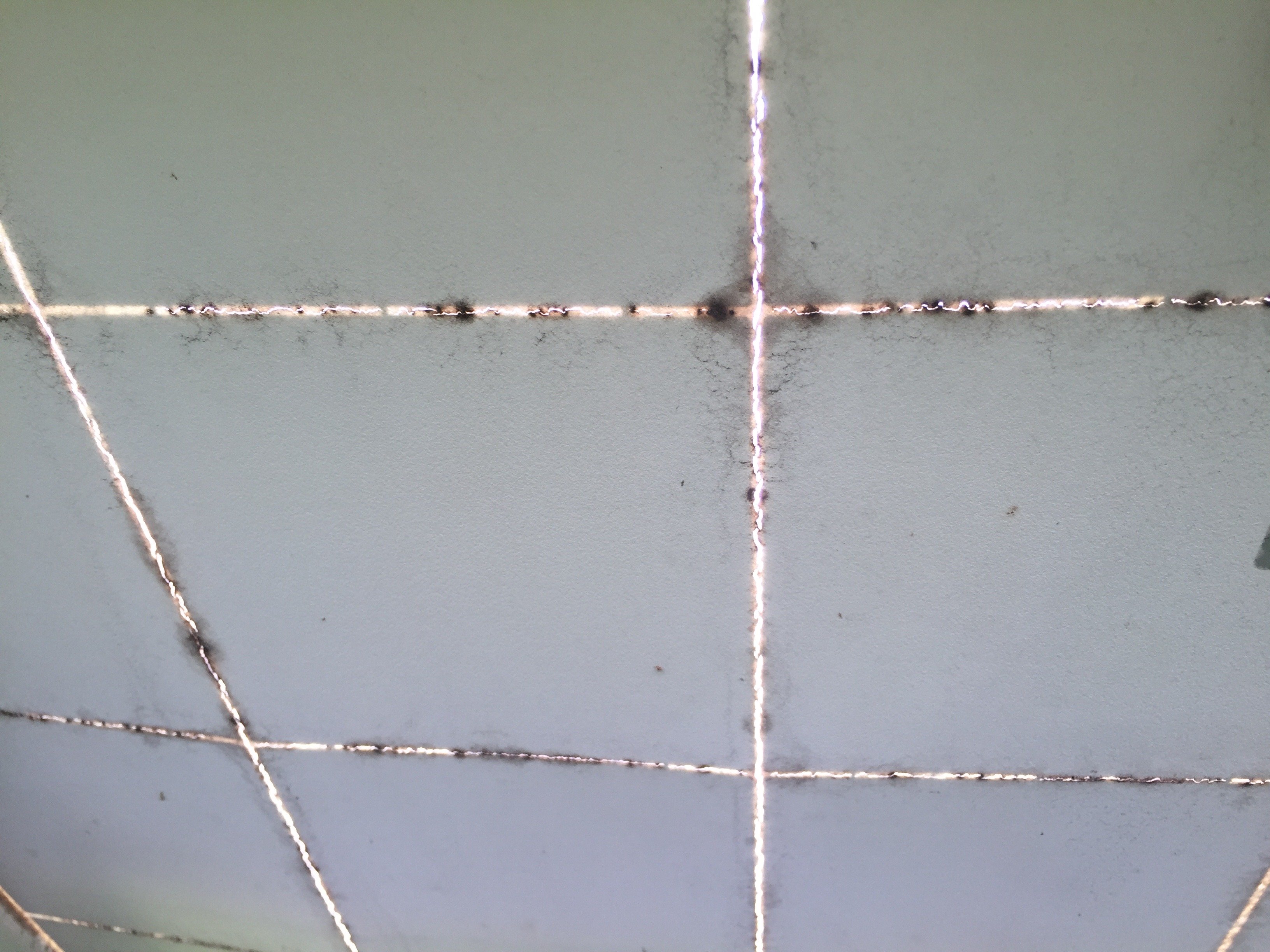
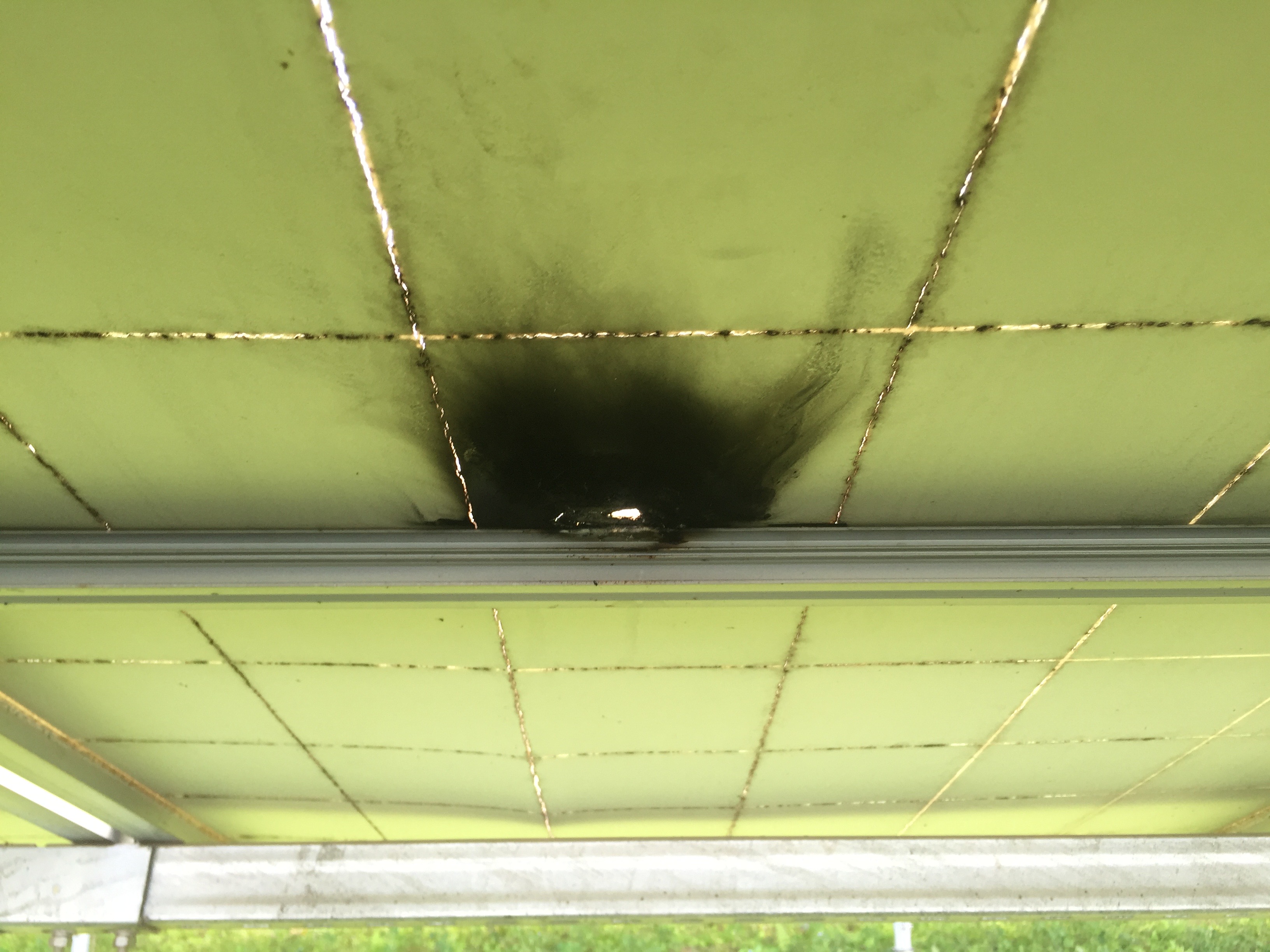
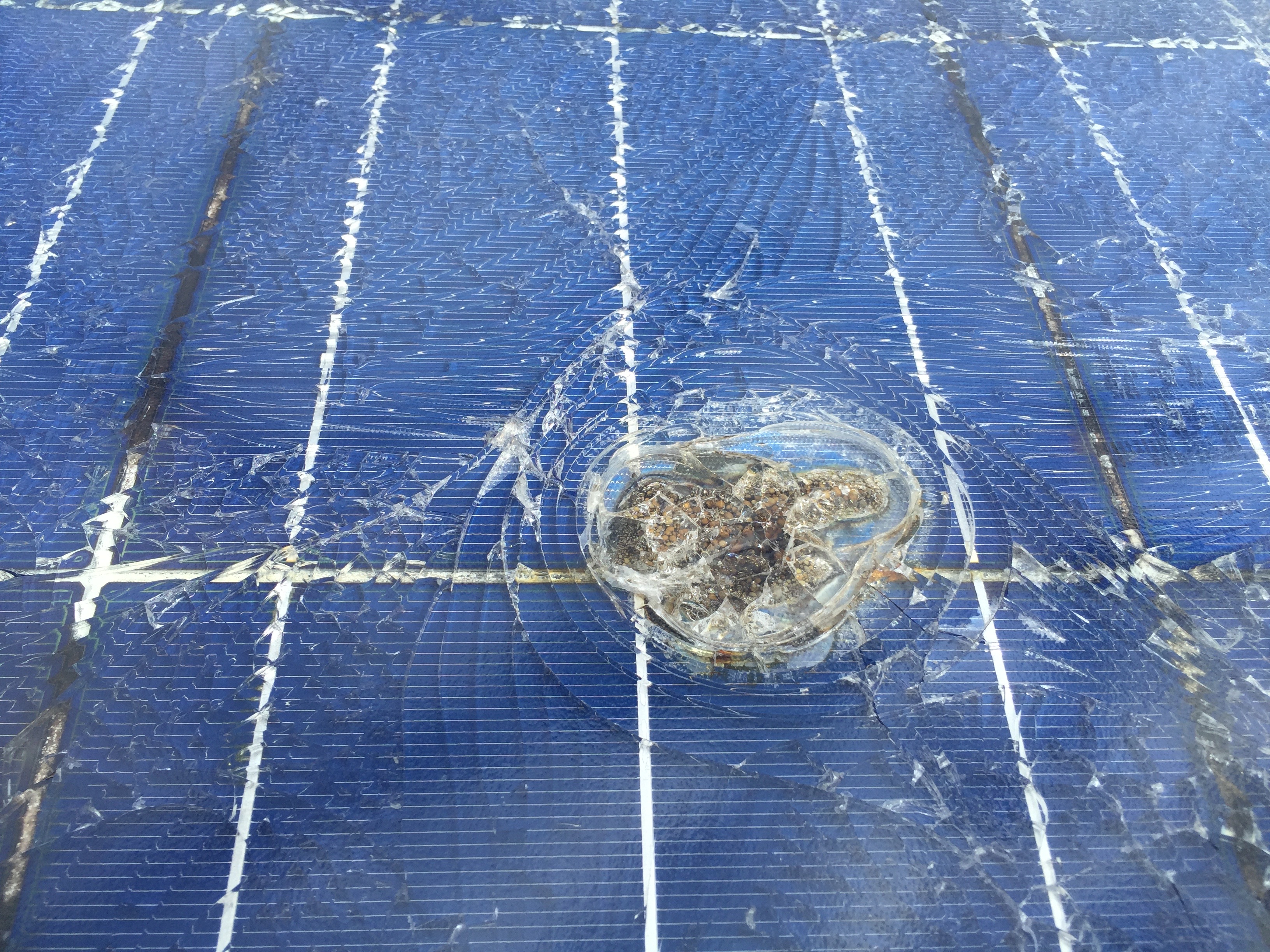
Backsheet cracking can lead to moisture ingress, corrosion, electrical arcing to the point of glass breakage and safety concerns.
Materials assessed
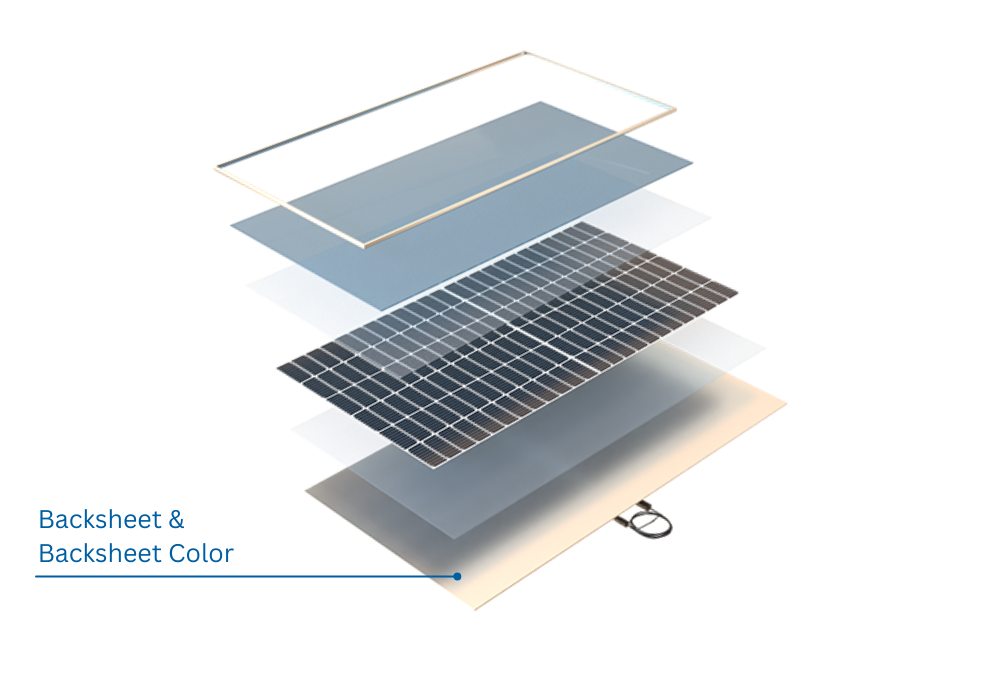
The backsheet durability sequence is solely focused on the backsheet’s susceptibility to polymer degradation. This test is therefore not required for glass//glass modules or when other module materials are changed.
Test procedure
|
Backsheet cracks that allow moisture to enter a PV module can severely impact field performance. Other signs of backsheet aging, such as yellowing and chalking, are often signs of accelerated backsheet degradation. Kiwa PVEL’s BDS has been designed to evaluate the module’s backsheet for these field-reported issues. BDS combines conditions of high temperature/high humidity that stress the backsheet and break down any hydrolytically weak bonds; high energy ultraviolet (UV) photons that can break polymer chains in backsheets, resulting in degraded mechanical properties; and cyclic thermal/mechanical stress that allow for the full level of material degradation to be realized. As per Section 8.1, BDS testing will occur on mini-modules, rather than full size modules. Unlike other PQP tests, BDS results on mini-modules (with the cells and interconnect wires geometry mimicking full size modules) are representative for full-sized modules. The test begins with 200 hours of DH as per Section 5.2. The module is then placed in a UV chamber and receives a rear-side UV exposure at 80°C BPT. The exposure time is tuned to cause equivalent damage to 65 kWh/m2 of UV (280-400 nm) with an AM1.5G spectrum. The damage model is based on a state-of-the-art understanding of the dependence of backsheet aging on test conditions. Following this UV exposure, the module undergoes thermal cycling for 50 cycles (TC50) plus 10 cycles of humidity freeze (HF10) as described in Section 5.3. The process of UV65, followed by TC50 and HF10 then repeats two more times for a total of three cycles. The final testing step is a UV exposure of equivalent 6.5 kWh/m2 of AM1.5G for photobleaching, which removes any minor discolorations that can be a result of the climate chamber testing and aren’t observed in the field. Characterizations occur pre-stress and after each UV dose, and include VI and color measurement. IV and EL measurements will not be taken by Kiwa PVEL during these characterization steps, as BDS is not focused on electrical performance or cell behavior. Additionally, WL is not taken during BDS testing as field-cracked modules have been shown to pass the WL testing, while showing obvious cracking. Visual inspection of micro-cracks in the backsheet is more effective in detecting backsheet failures. As per IEC TS 63209-1:2021, VI will include a magnification of 10X or greater, focused on the 10 locations on the rear-side where colorimeter measurements are taken. The BDS results will be included in a separate Interim and Final BDS Report. As per Appendix B – Kiwa PVEL PQP: BOM Test Requirements, BDS is not required on glass//glass modules. |
 |
PV Module Reliability Scorecard
Now available, Kiwa PVEL’s PV Module Reliability Scorecard features Top Performers from the industry’s best manufacturers and is the essential resource for PV module reliability and performance insights.
Visit the Kiwa PVEL PV Module Reliability Scorecard to see key takeaways, test result spotlights and Top Performers for this test.